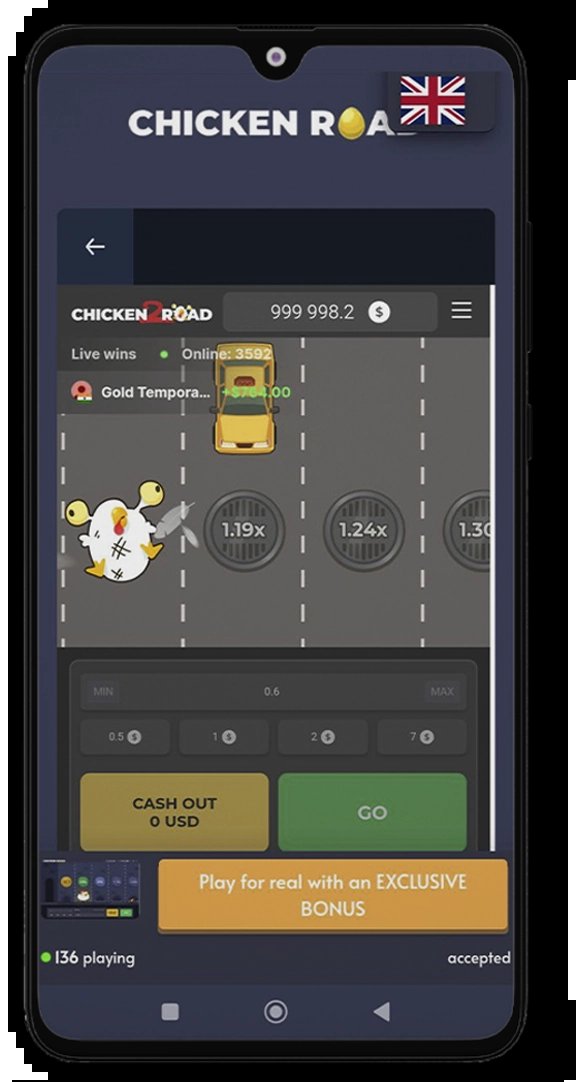
Mobile gaming addiction has become a major concern in the UK, with many people struggling to keep their gaming habits under control. But what’s behind this addiction, and how can we overcome it? In this article, we’ll delve into the factors driving mobile gaming addiction and explore the solutions available.
The Rise of Mobile Gaming
Mobile gaming has exploded in popularity over the past decade. According to a report by the Entertainment Software Association, the average UK gamer now spends around 6.5 hours per week playing games on their mobile device. This increased accessibility has raised concerns about the potential for mobile gaming addiction.

Causes of Mobile Gaming Addiction
Several factors contribute to mobile gaming addiction, including the way games are designed, the constant availability of mobile devices, and individual struggles with self-regulation.
- Mobile games are designed to be highly engaging and addictive, often using psychological manipulation to keep players hooked. Rewards, social media integration, and variable rewards schedules can all contribute to addiction.
- Mobile devices are always with us, making it easy to play games anywhere, anytime. This constant availability can lead to an excessive gaming habit.
- Many people struggle with self-regulation, finding it difficult to set limits on their gaming time. This lack of self-control can lead to addiction.
Mobile gaming addiction can have serious consequences, including social isolation, decreased productivity, and negative impacts on mental and physical health. It’s essential to understand the causes of this addiction and take steps to address it.

Breaking the Cycle
Breaking the cycle of mobile gaming addiction requires a combination of self-awareness, self-regulation, and support. Here are some strategies to help you manage your mobile gaming habits:
- Set limits: Establish a daily gaming time limit and stick to it. This might mean setting a specific time for gaming each day, or using apps that track and restrict your gaming time.
- Track your gaming time: Use built-in tracking tools or apps to monitor your gaming habits. This can help you identify patterns and stay on track.
- Find alternative activities: Engage in other hobbies or activities to replace gaming time. This might be as simple as taking a walk, reading a book, or trying a new recipe.
- Seek support: Talk to friends, family, or a therapist about your gaming habits. Sharing your concerns with others can help you stay accountable and motivated to change.
For those struggling with mobile gaming addiction, seeking professional help is a viable option. Online support groups and therapy sessions can provide valuable guidance and support, such as those offered by https://www.https://www.fodal.uk a leading online gaming support platform.
Conclusion
Mobile gaming addiction is a complex issue, and addressing it requires a comprehensive approach. By understanding the causes of addiction, setting limits, tracking gaming time, and seeking support, we can break the cycle of addiction and maintain a healthy gaming habit.
Frequently Asked Questions
What causes mobile gaming addiction in the UK?
Mobile gaming addiction in the UK is often linked to factors such as social pressure, escapism, and the design of mobile games, which can trigger compulsive behavior.
How common is mobile gaming addiction in the UK?
According to a report by the Entertainment Software Association, the average UK gamer spends a significant amount of time on mobile games, indicating a growing concern for gaming addiction.
Can mobile gaming addiction be treated?
Yes, mobile gaming addiction can be treated with professional help, such as therapy, counseling, and support groups, which can help individuals overcome their addiction.